












L. philadelphicum
Description
This is newly added here at Hartle-Gilman Gardens.
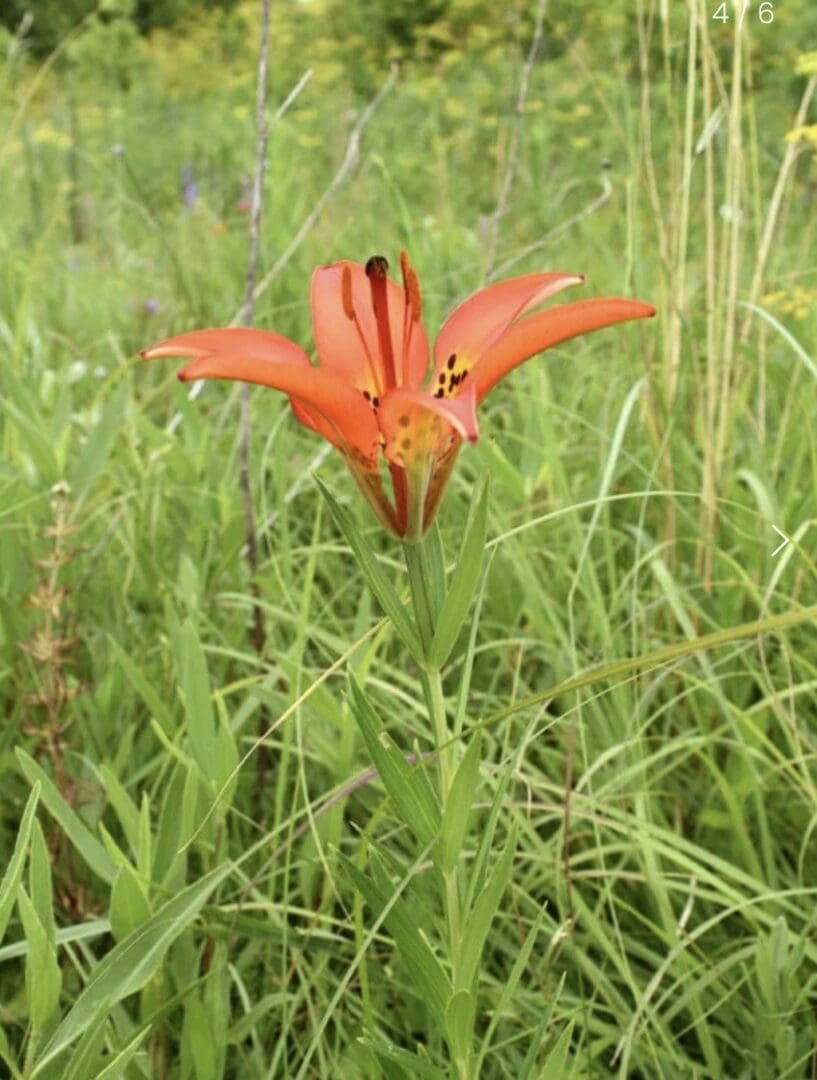
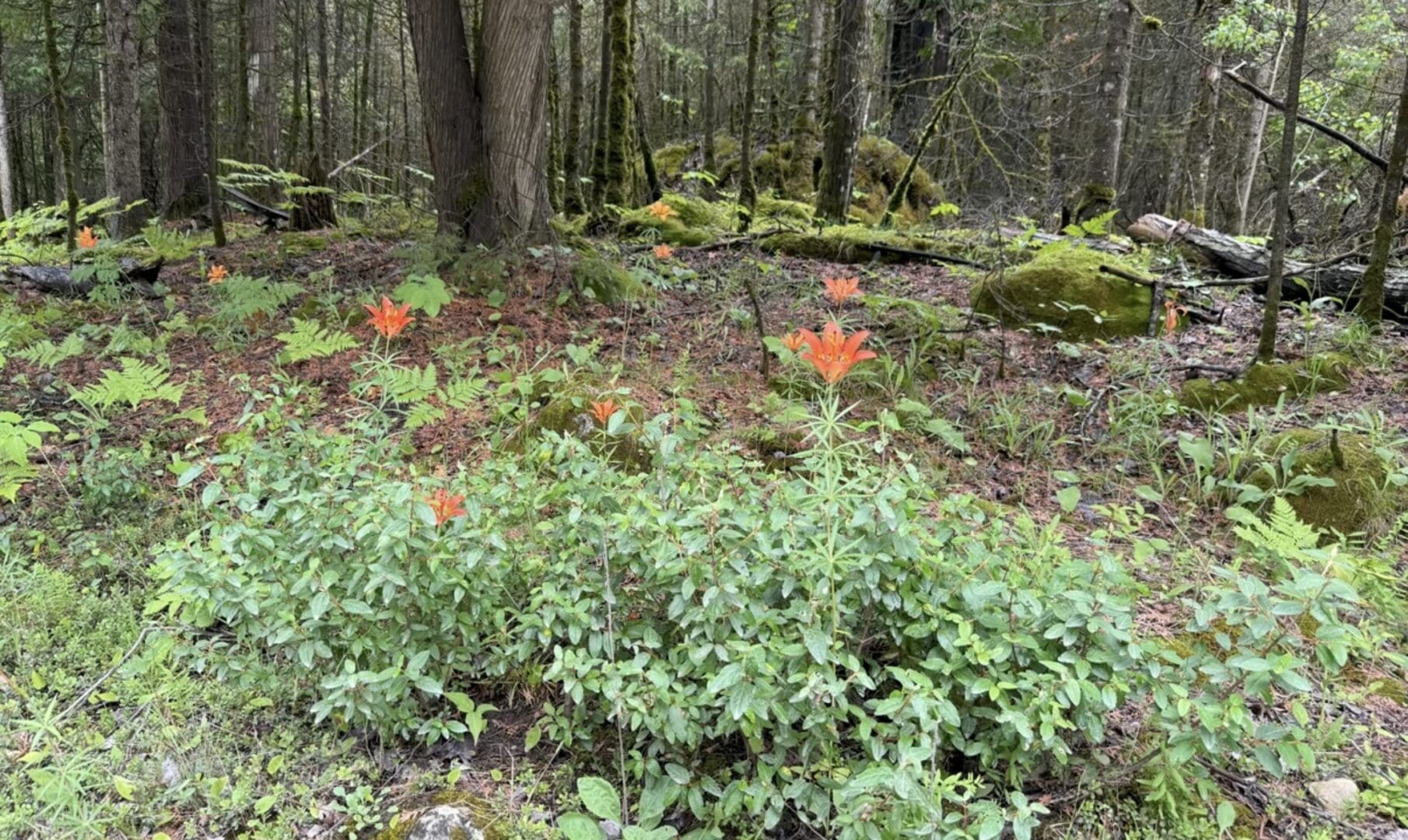
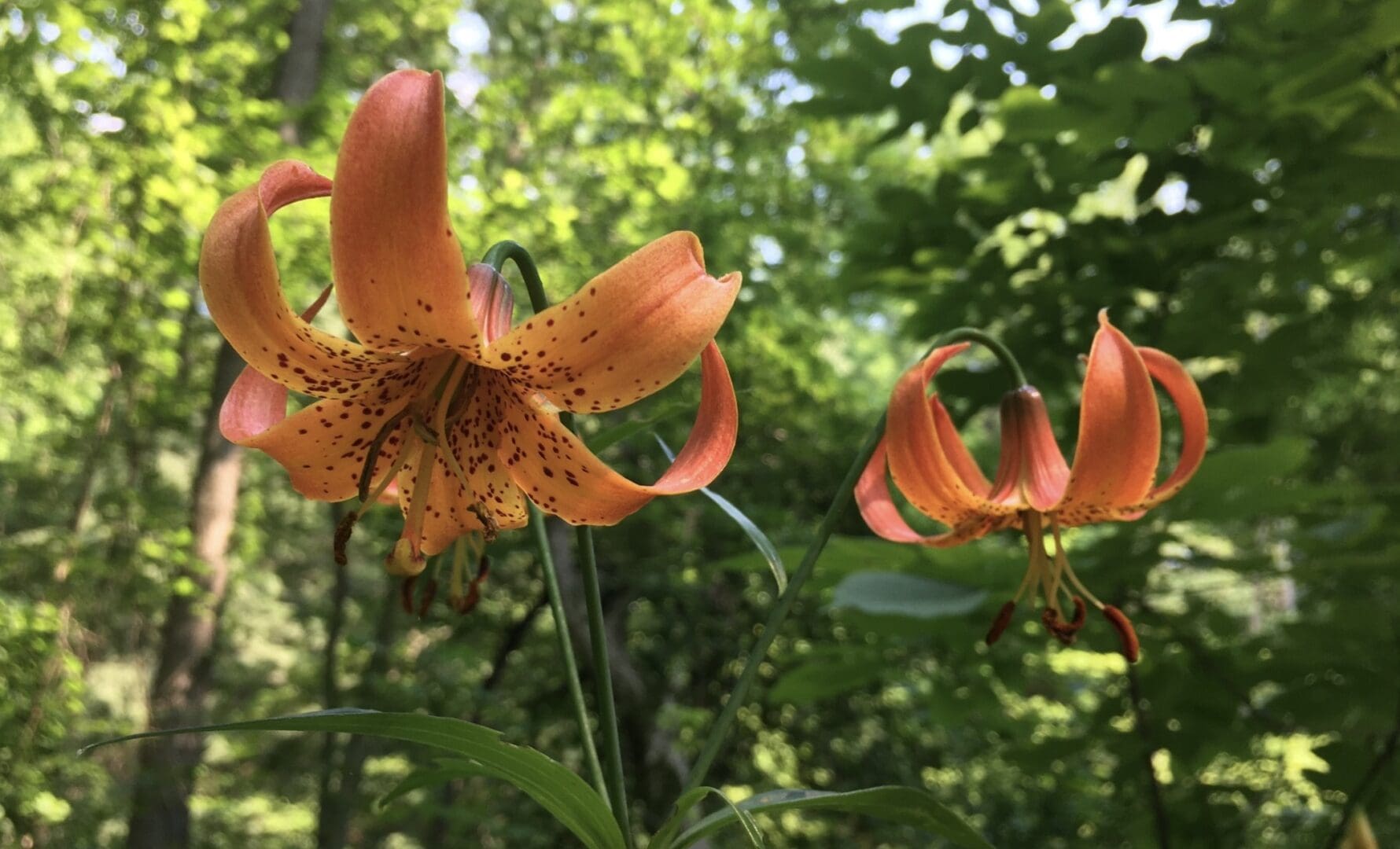
L. philadelphicum is a native to Minnesota just as L. michiganense is. So of course I became obsessed with the nature and the study of these two species.
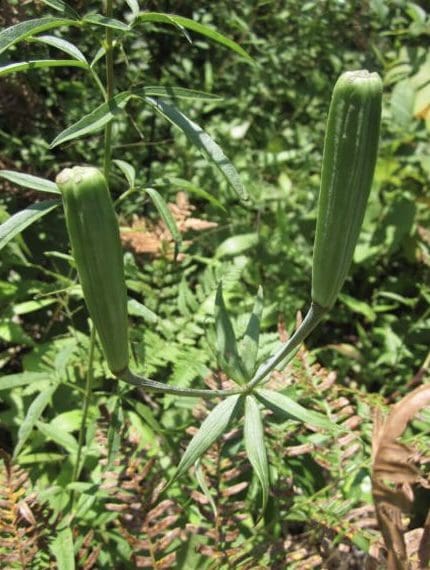
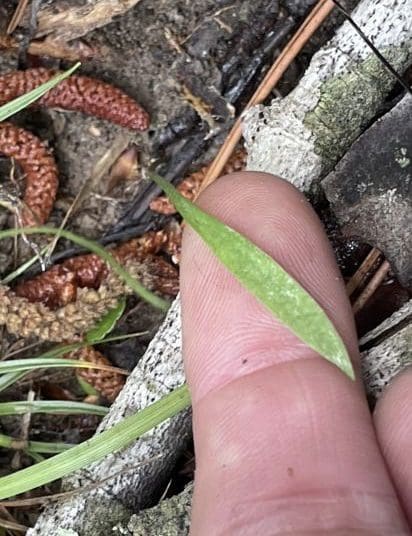
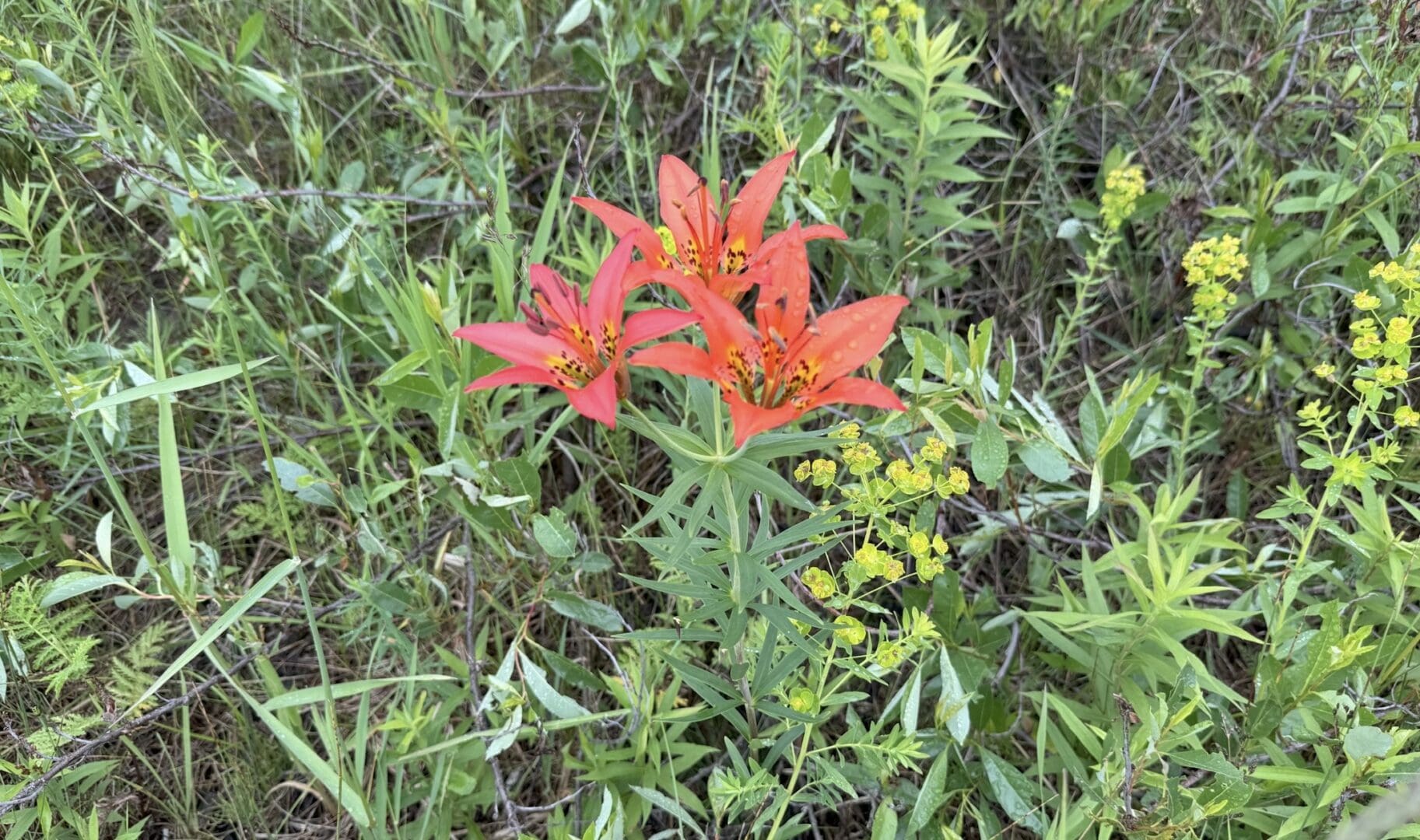
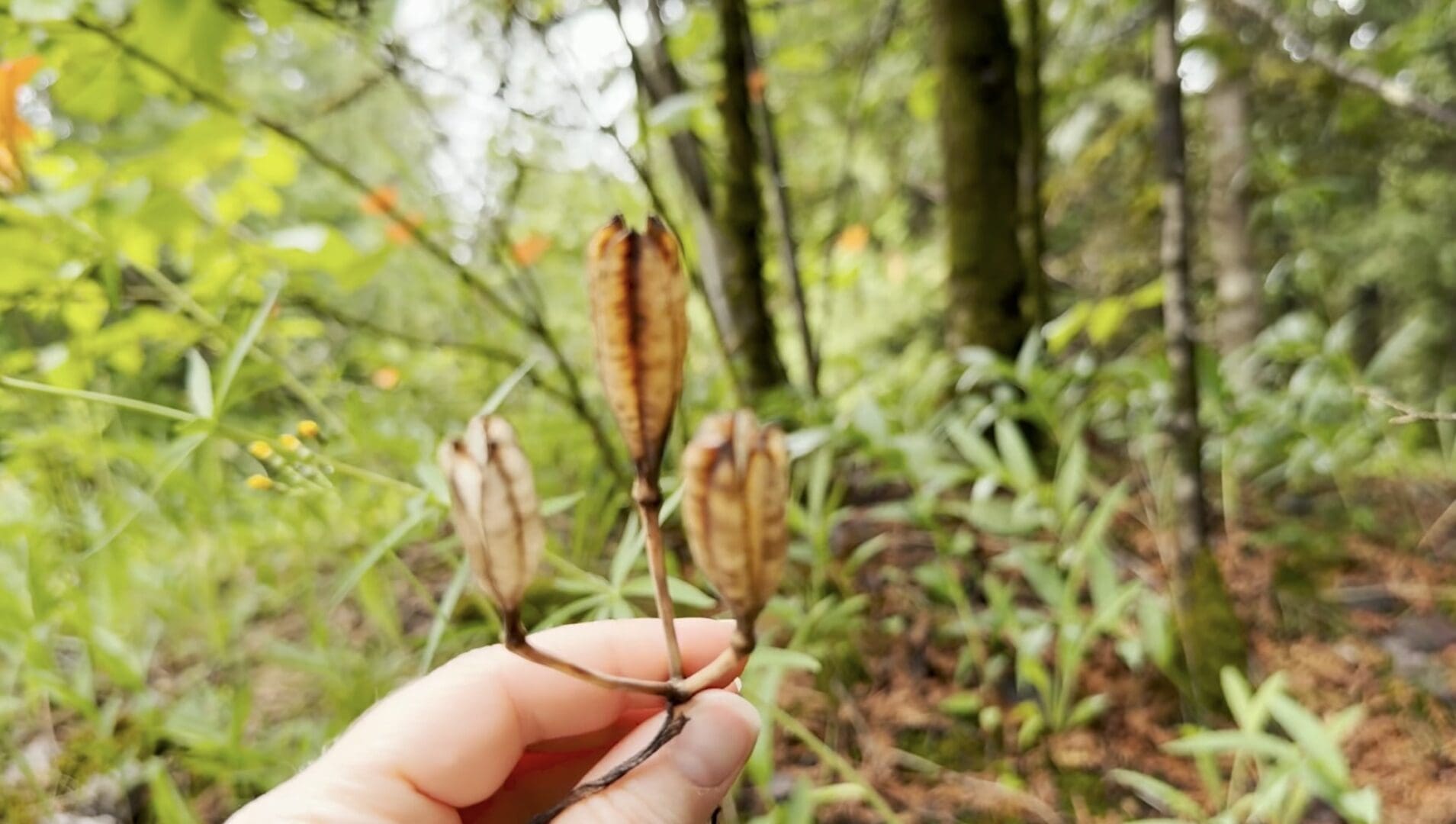
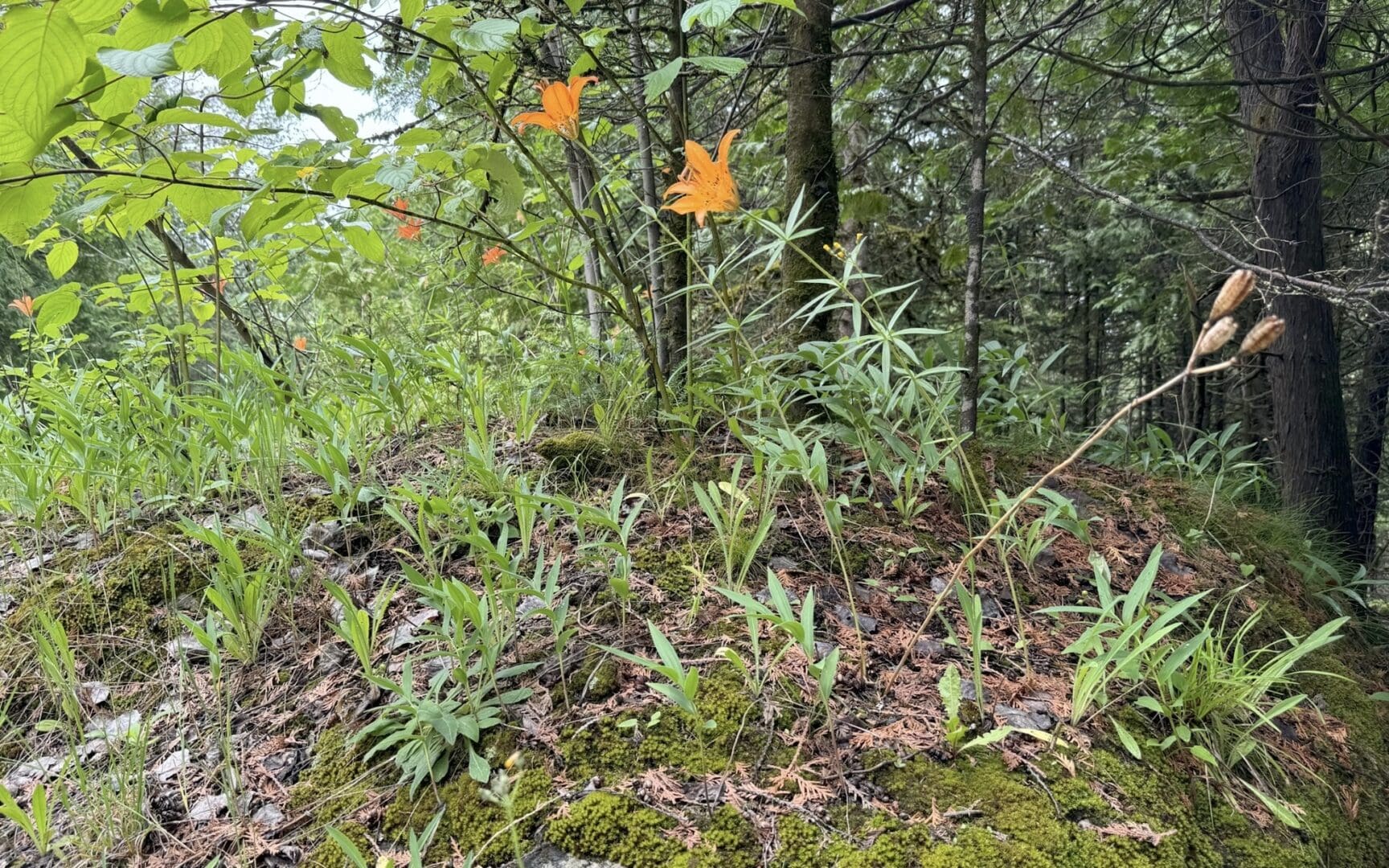
Four seasons ago and reminiscing, I jumped into my car and I went up to a log cabin concert of Mister Michael Monroe in Grand Marais. So inspired with the setting and the back woodlands, I stayed at a cottage for a few days so I could ‘get lost in the season.’ While hiking, I found the perfect flower that was in with a full umbel inflorescence. Not knowing what it was, I took out my camera and did a look up on an app and found it to be L. philadelphicum that was blooming in July. So— studying the plant and taking a few photos with my new Fuji camera, I made a mental note to come back in September and grab some wild seed. When I arrived, It was green, and I would have to come back. So late October I went again to Grand Marais and found my sacred space that the stems look like they were cut off. Eaten by an animal. Darn it— Well, looking I found a single seed pod and picked it up… The rest was history. After allowing it to completely dry, I froze the entire pod. Later on I realized that I had very little viable seed so I potted the entire handful of seed, chaff and all. 10 baby seeds formed with delayed hypogeal germination and I was well on my way to have a few of this coveted species for my very own collection.
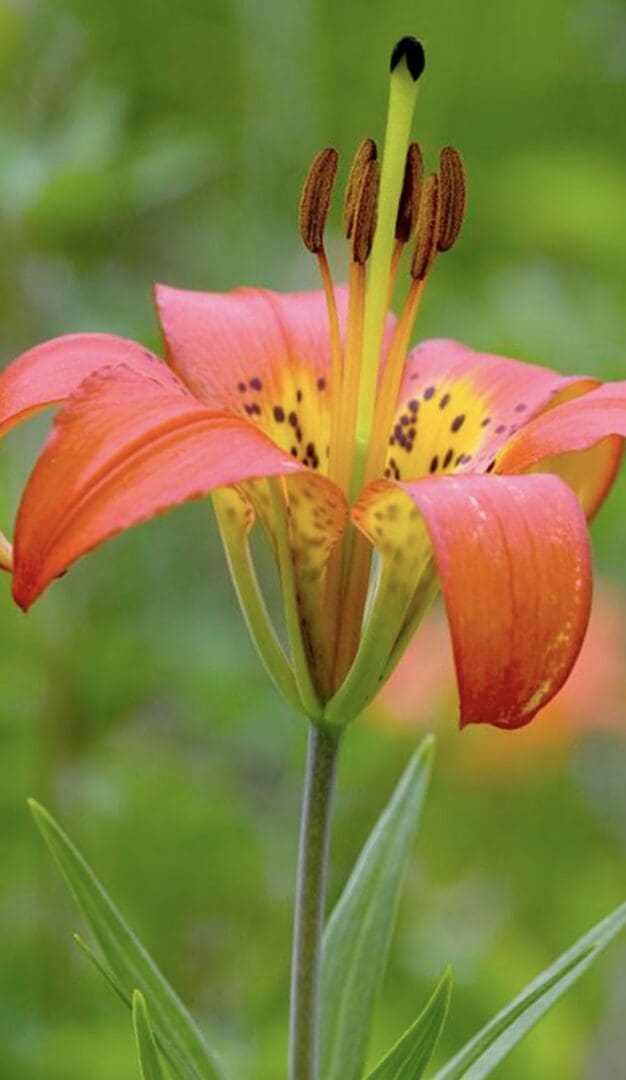
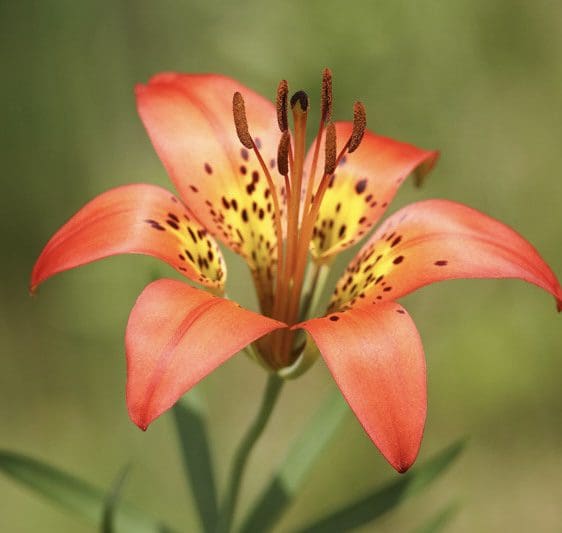
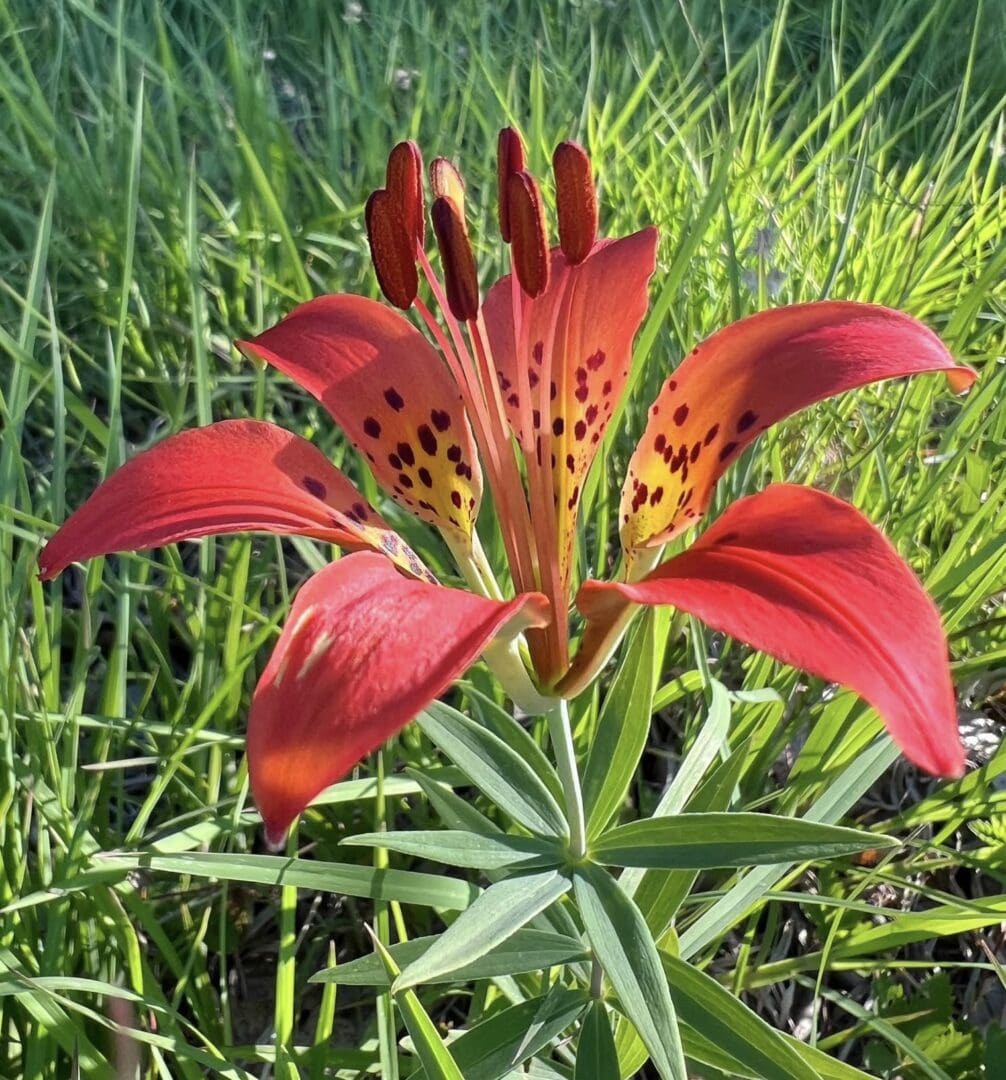
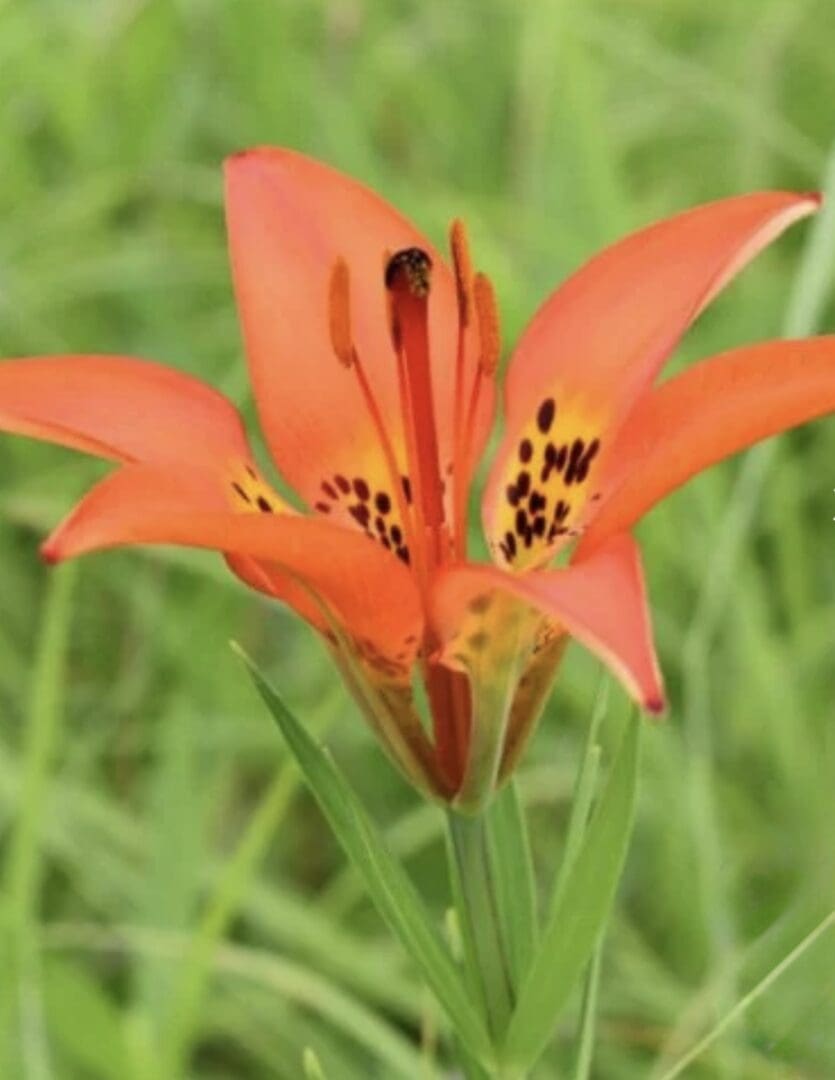
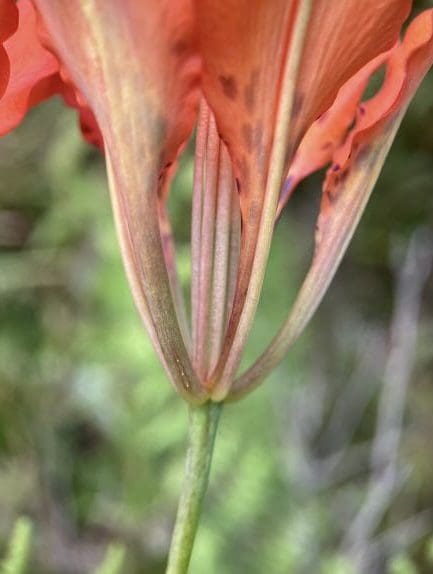
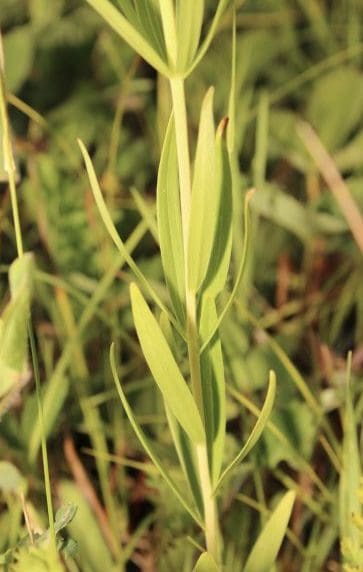
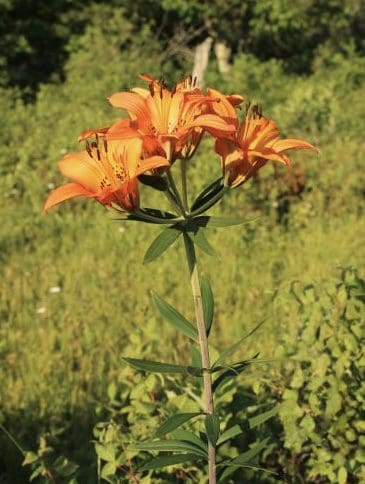
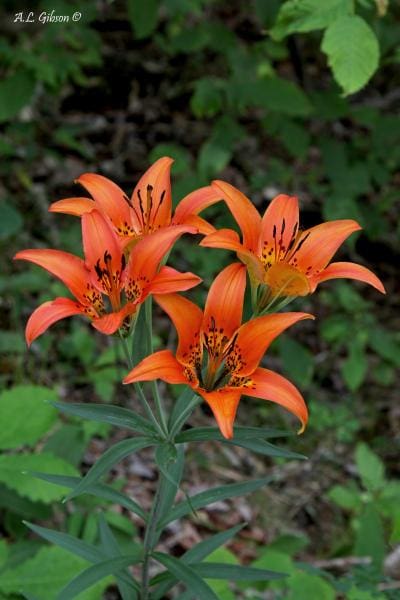
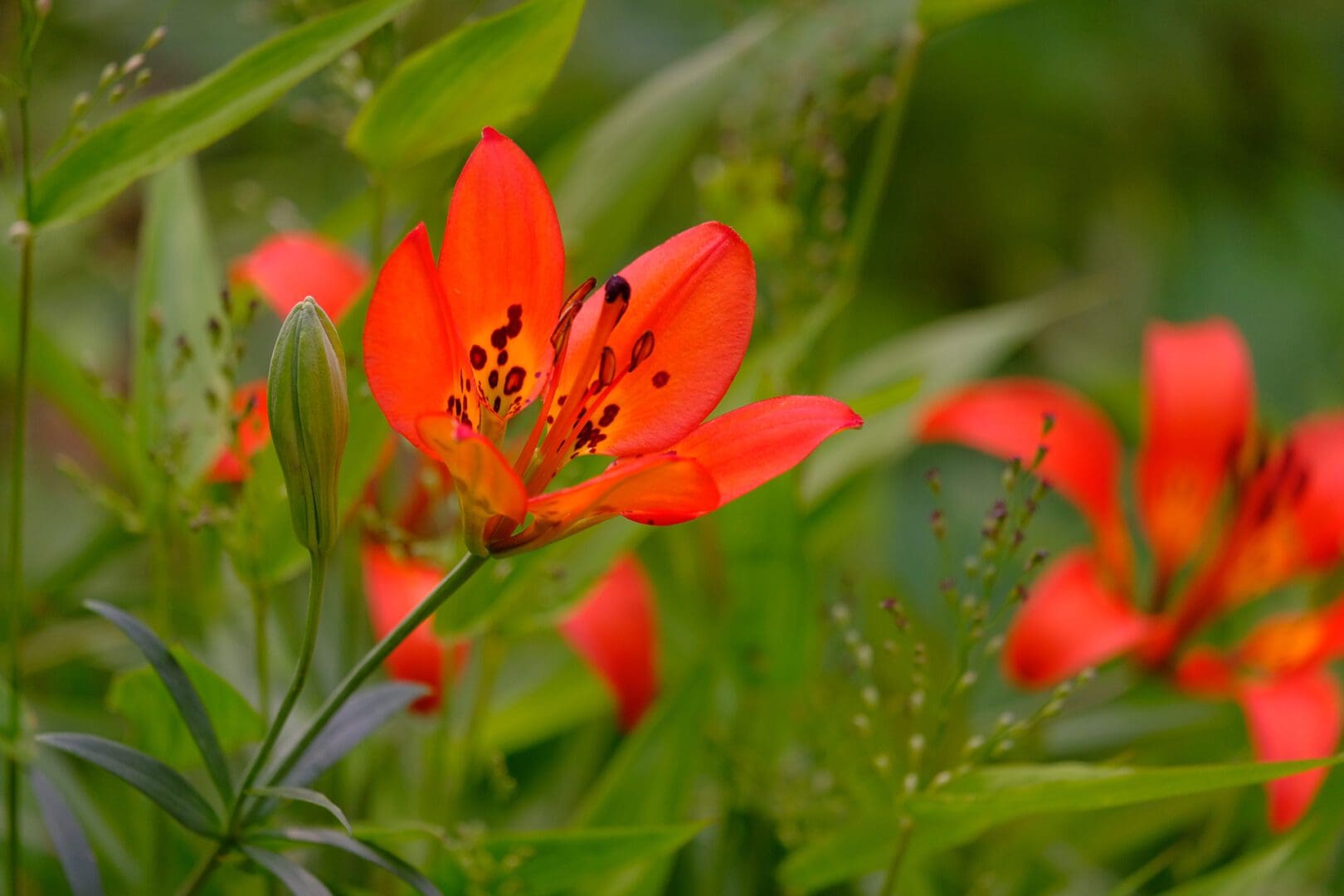
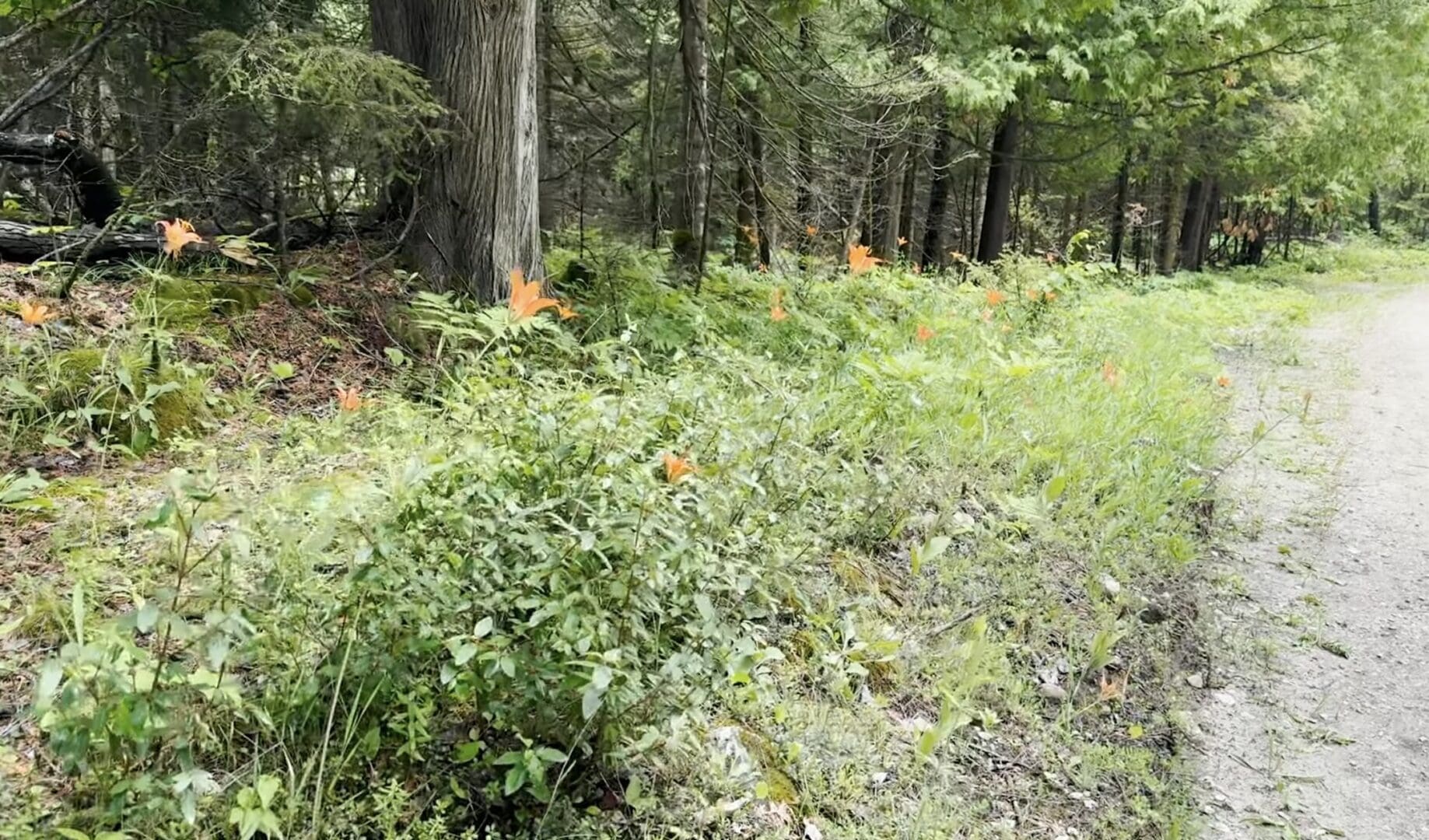
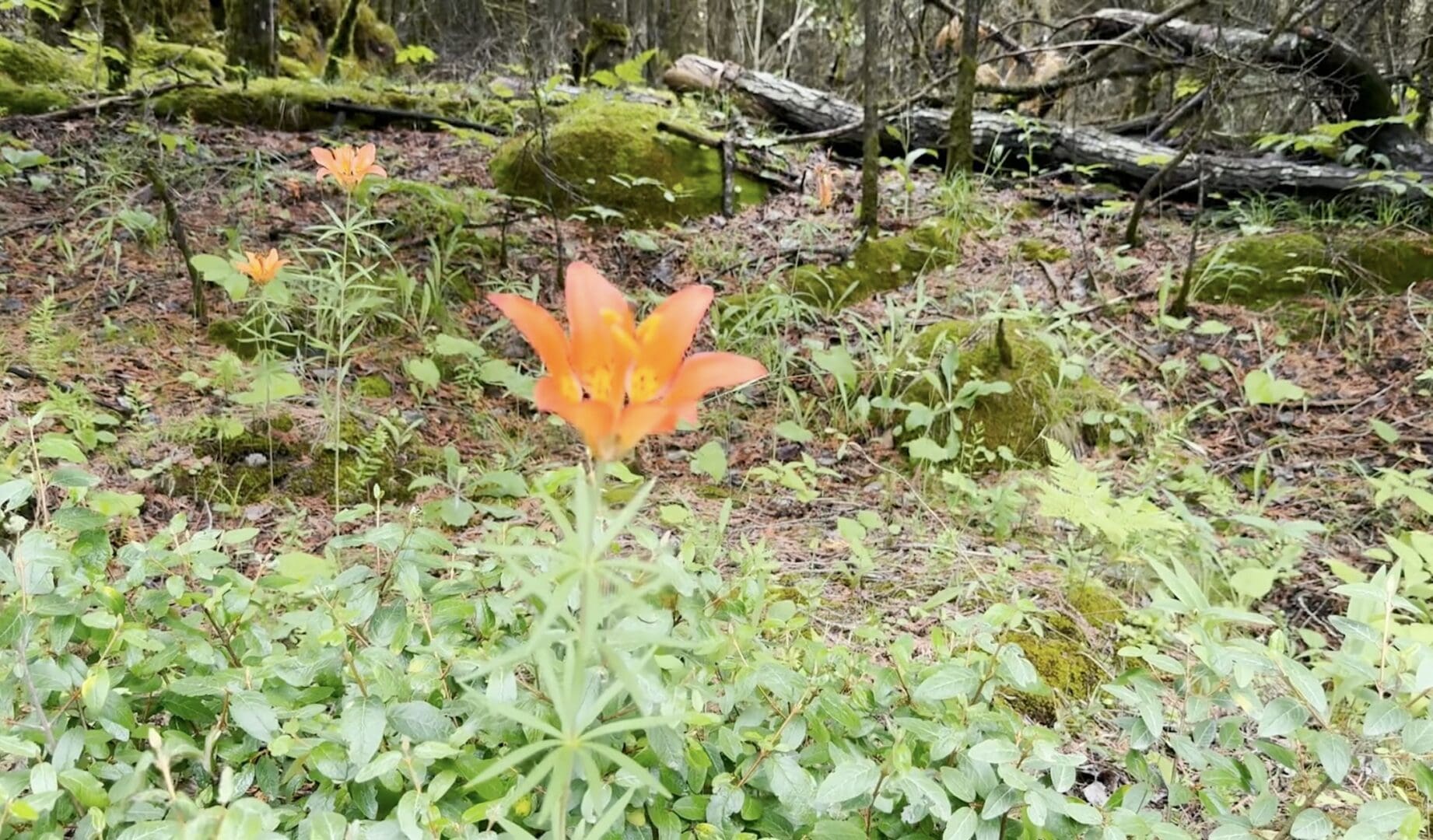
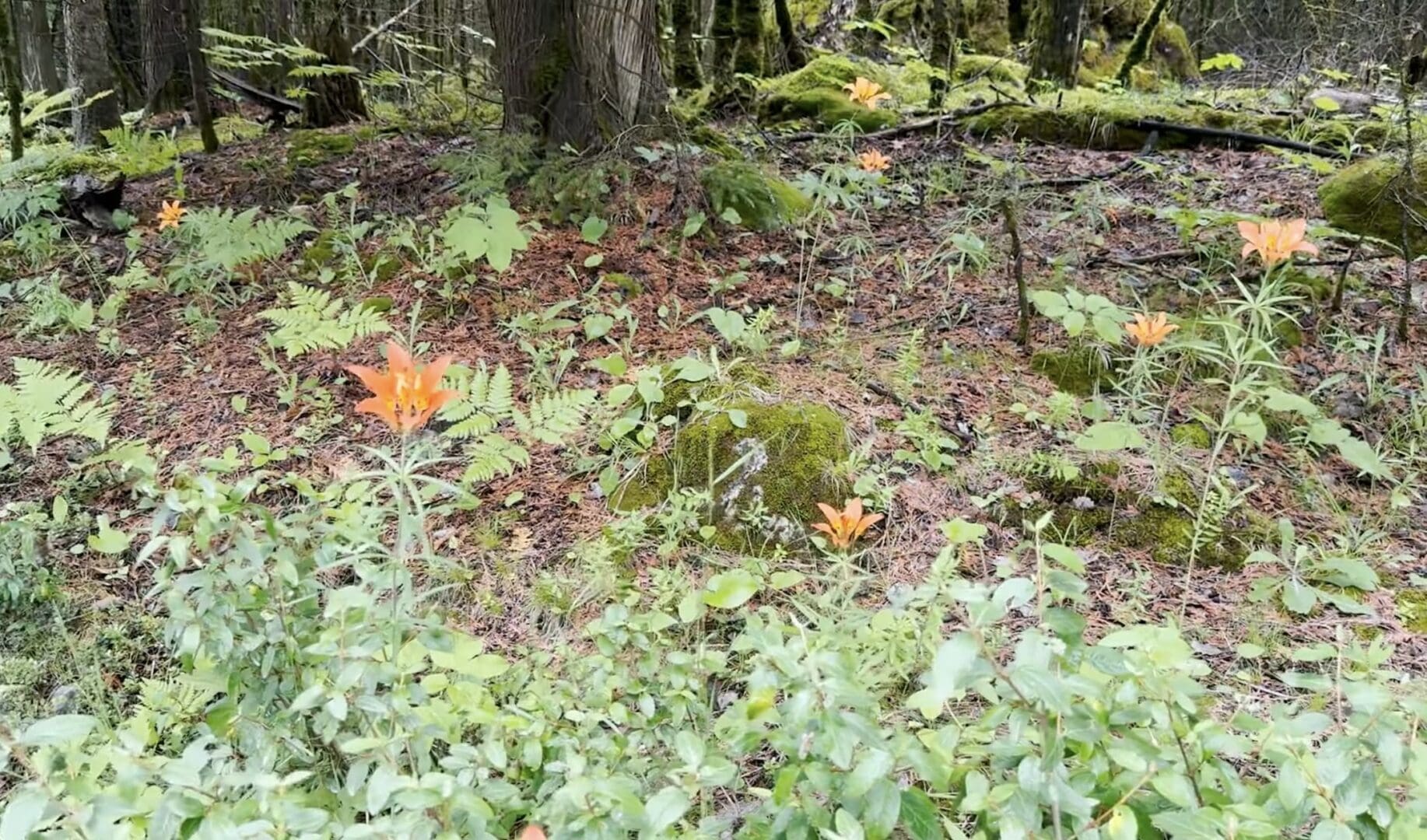
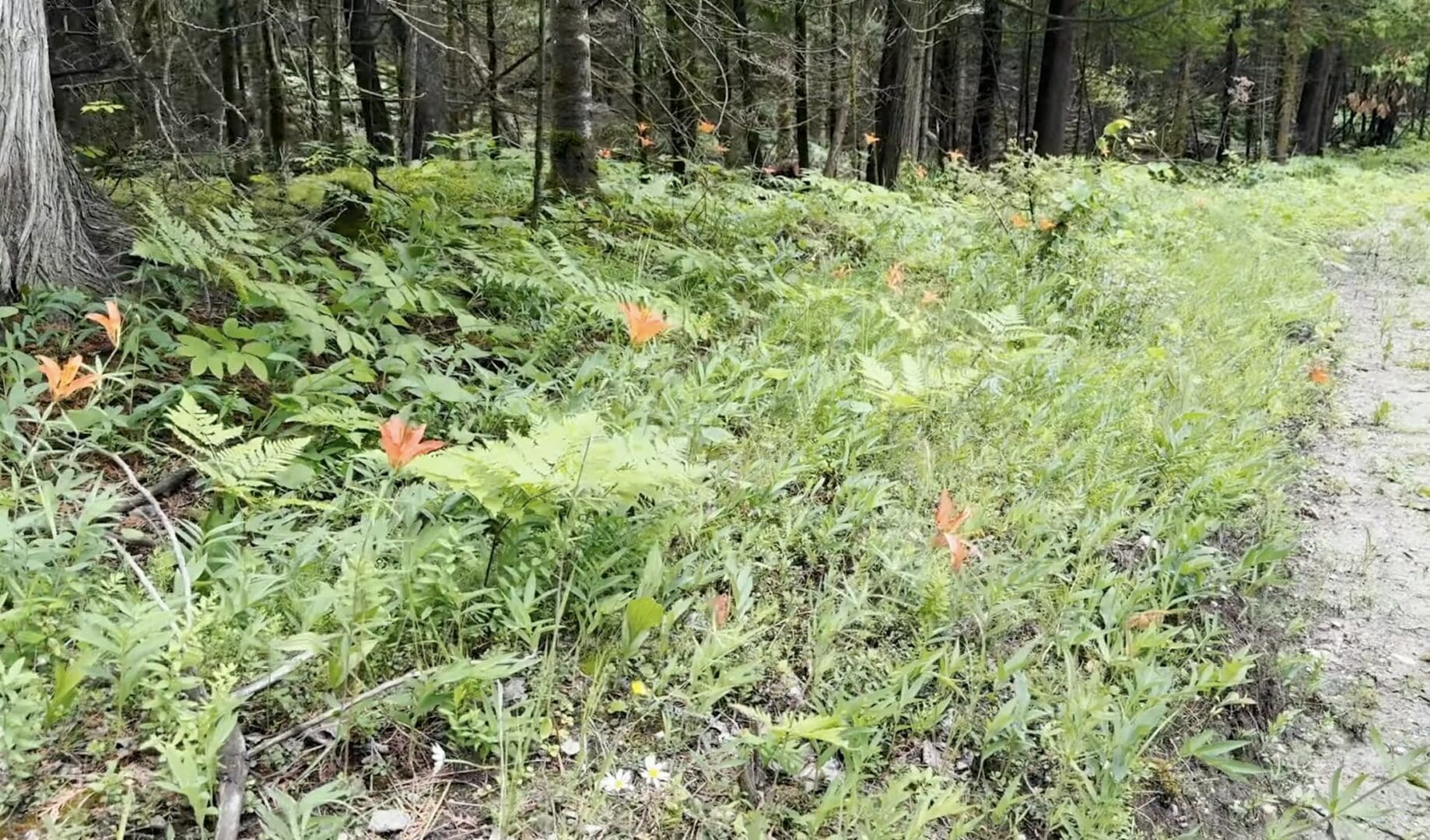
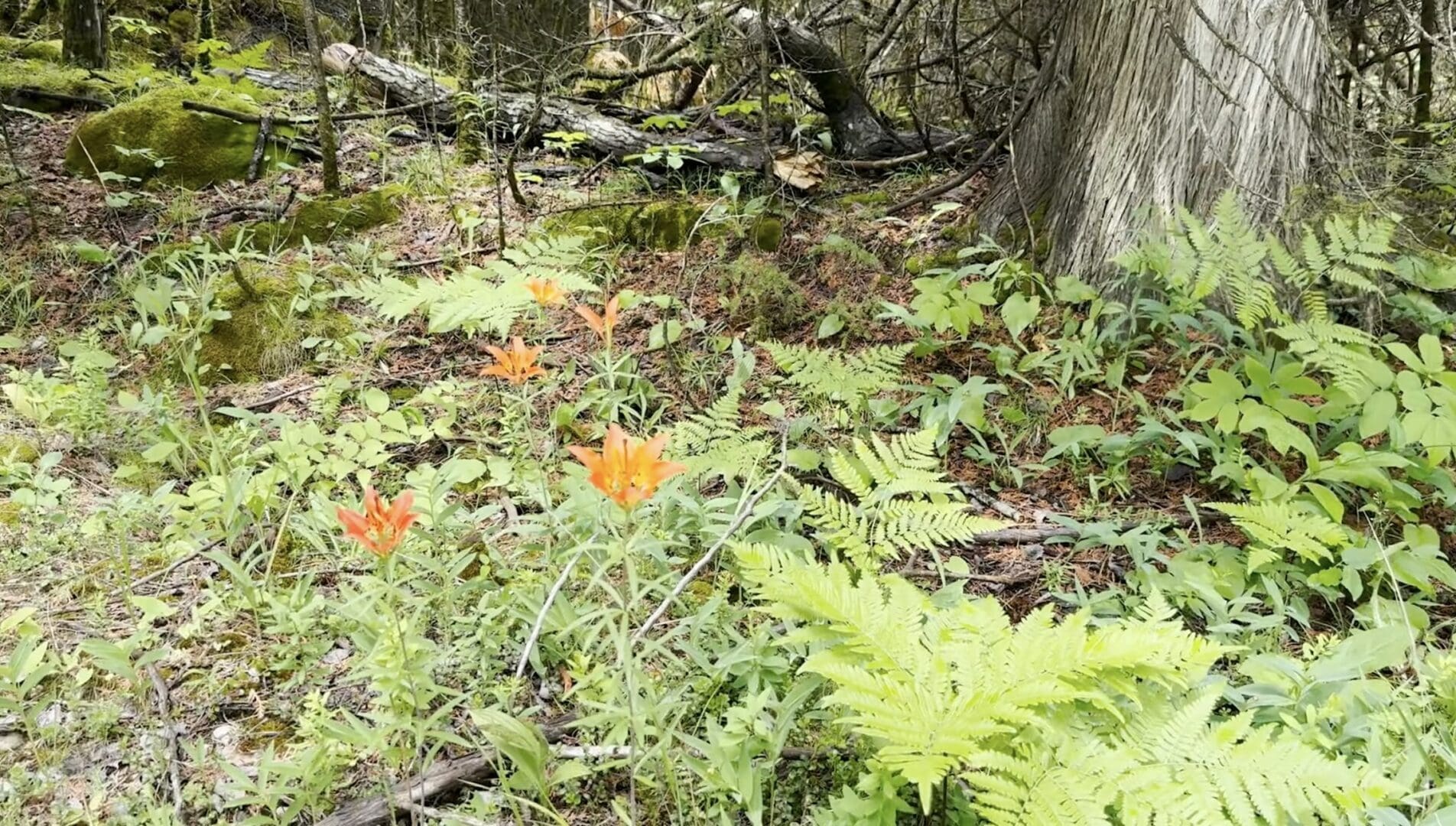
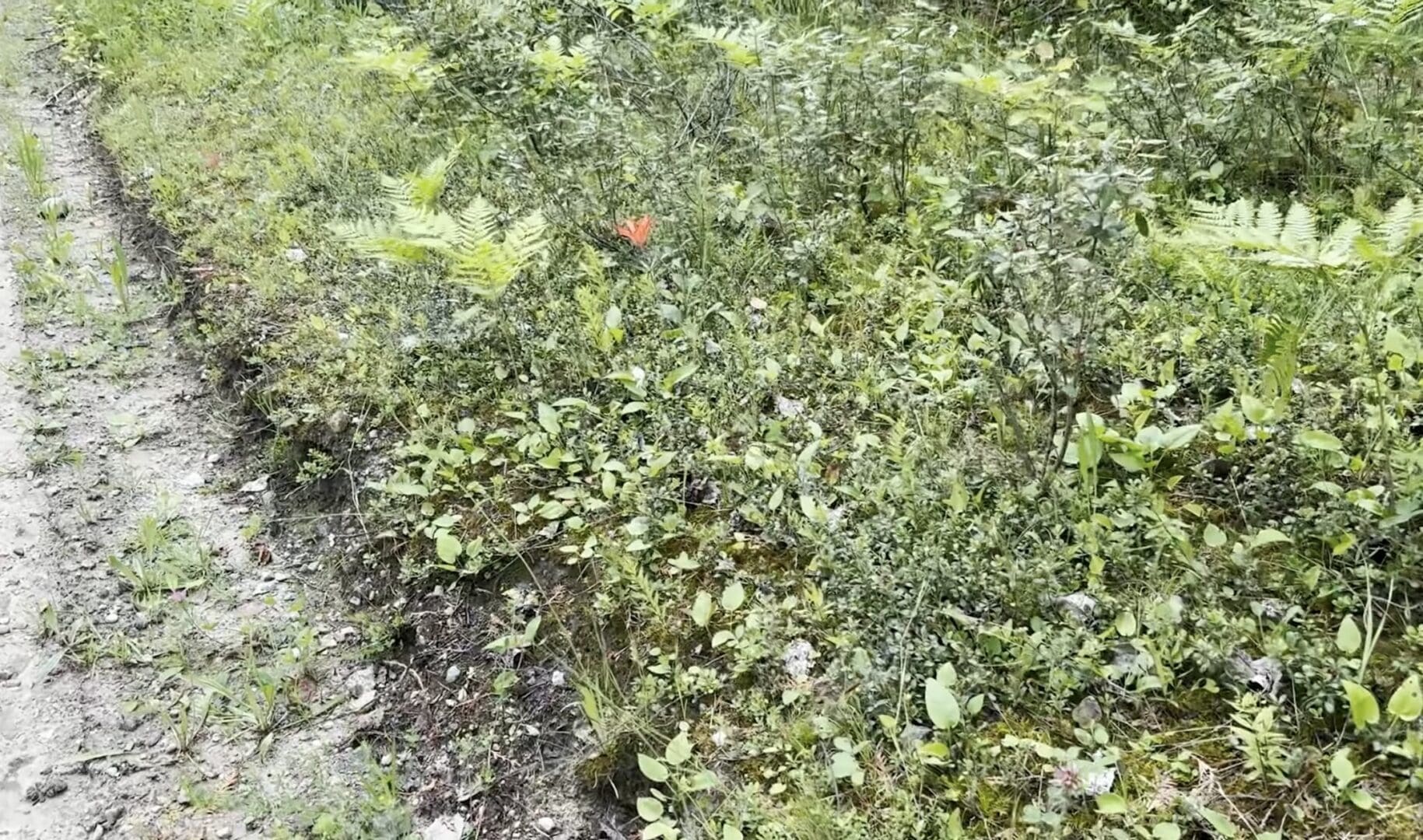
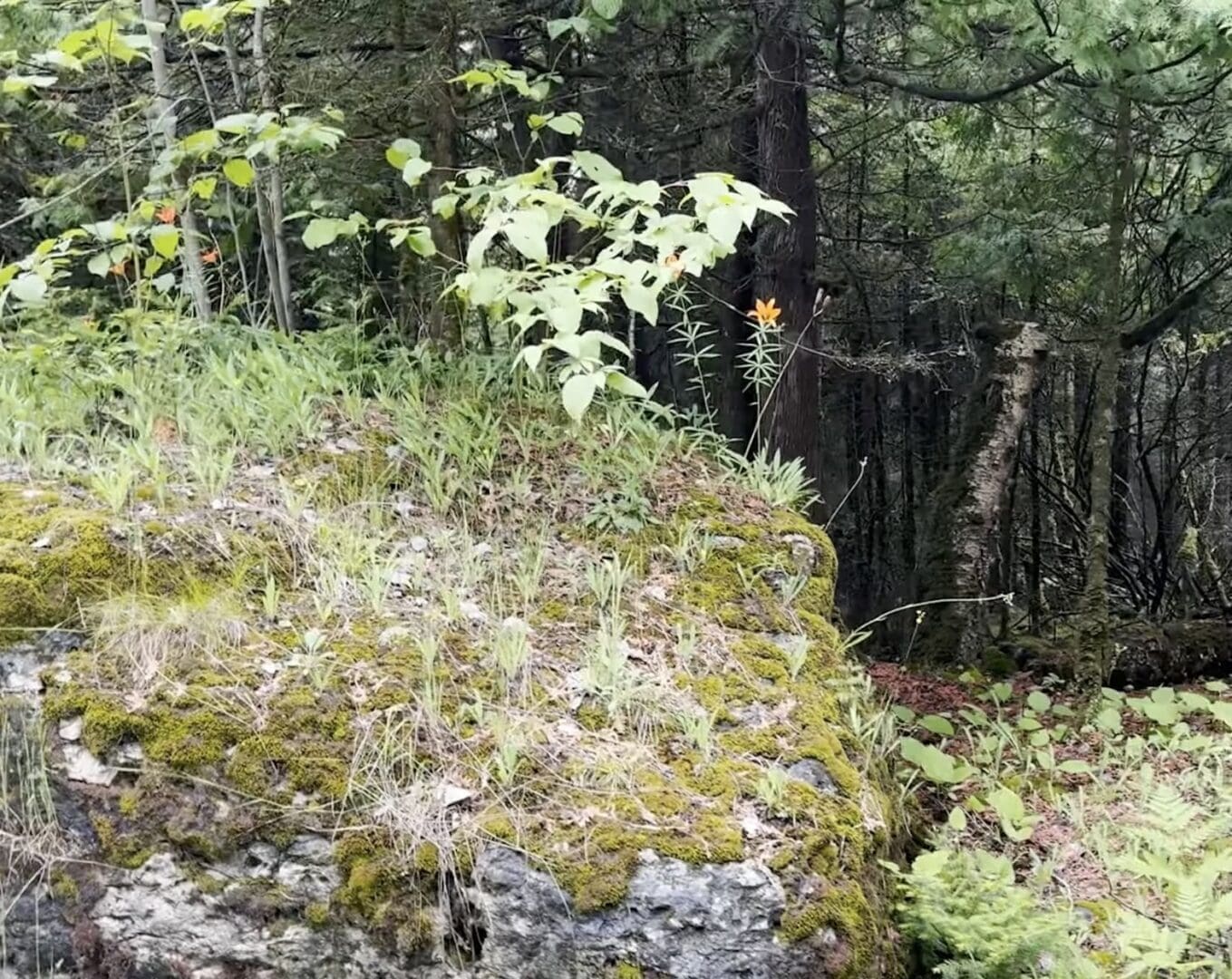
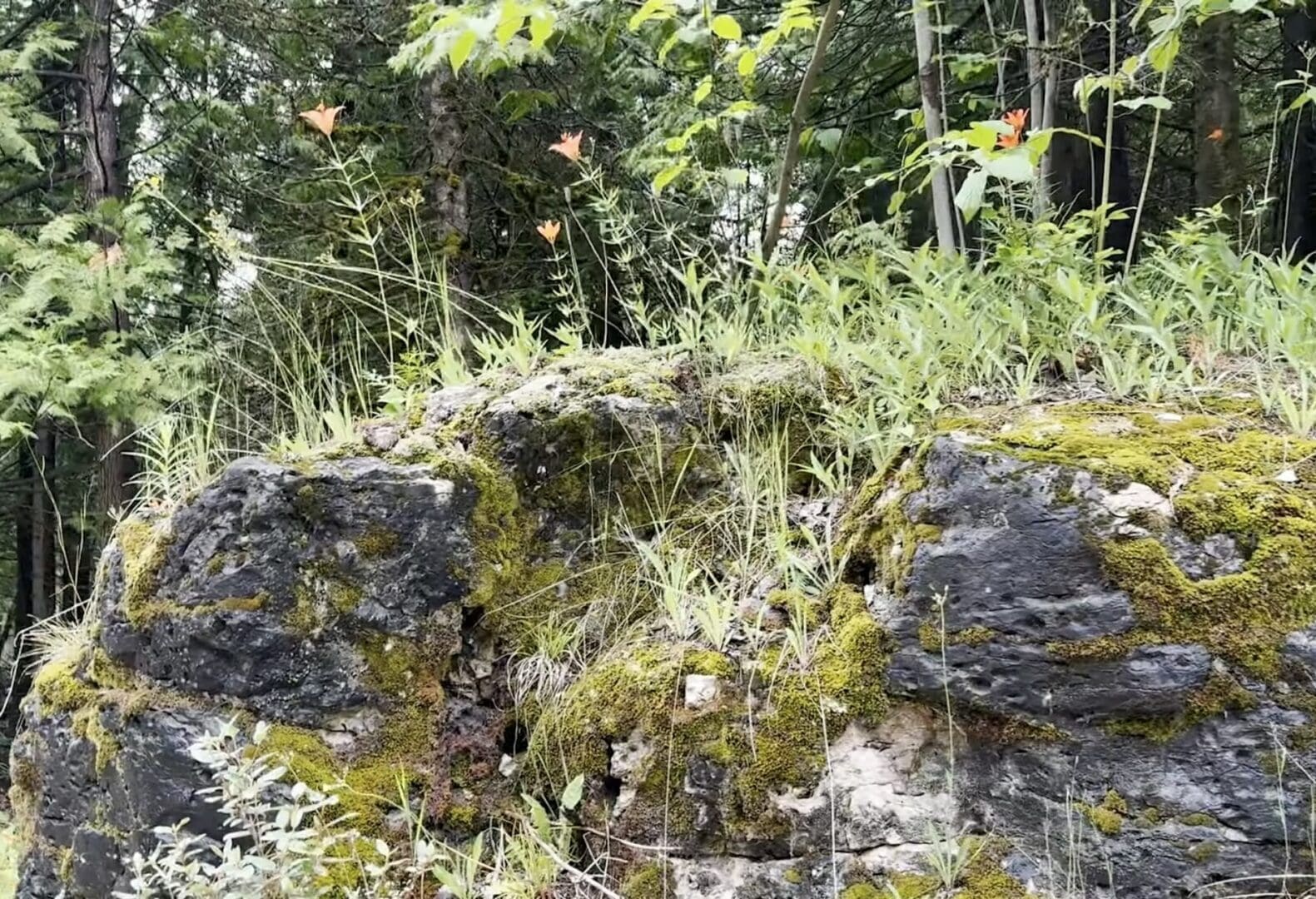
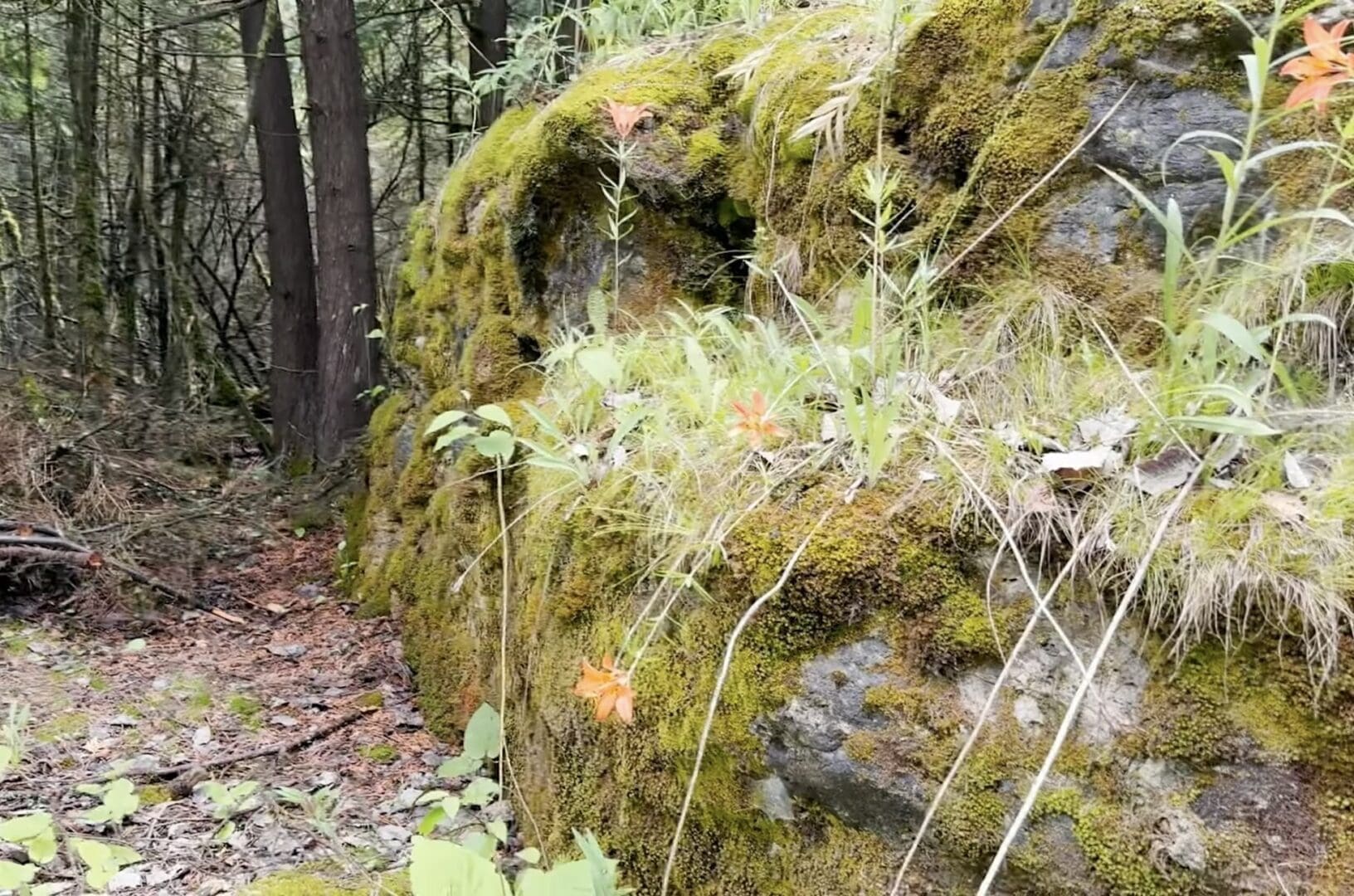
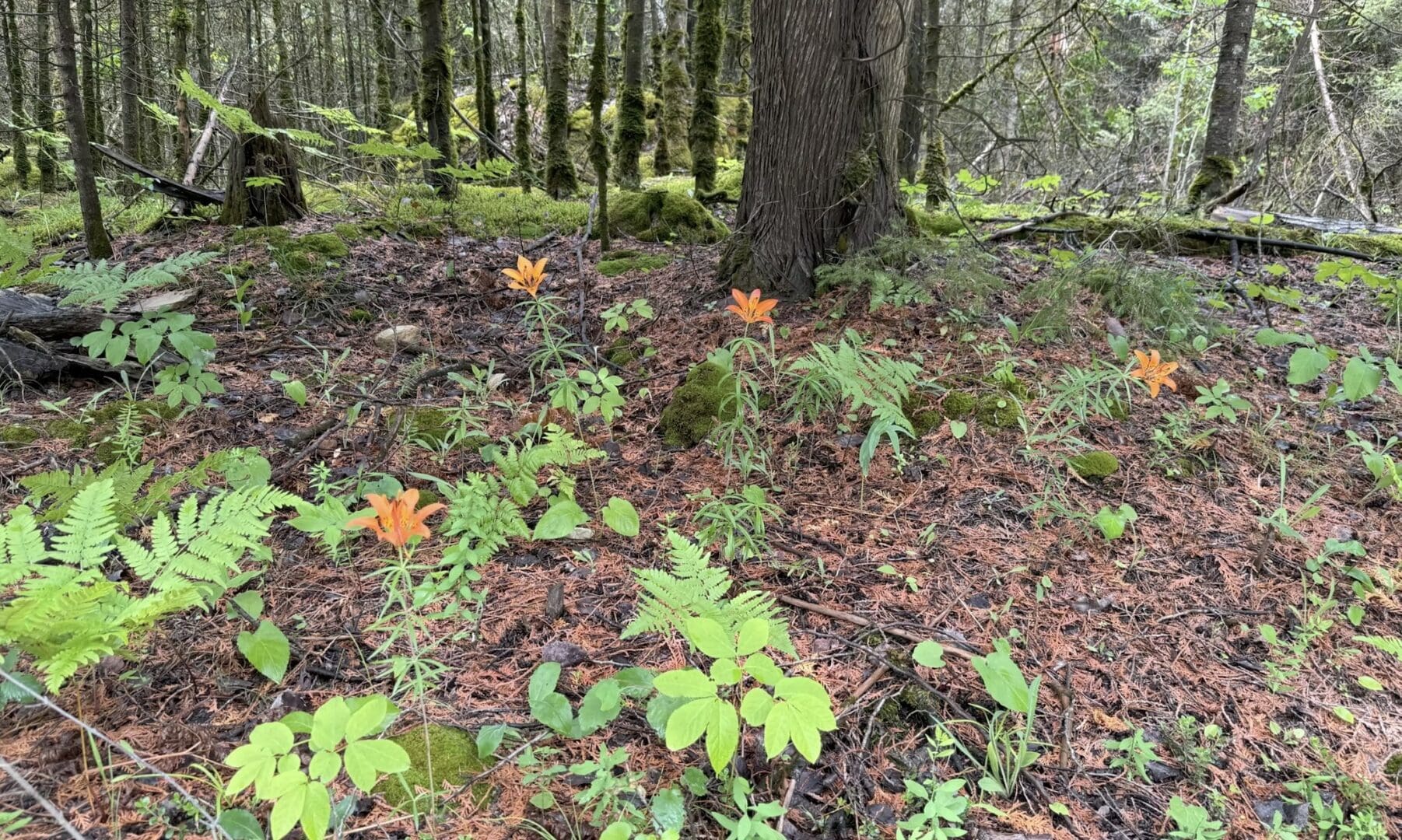
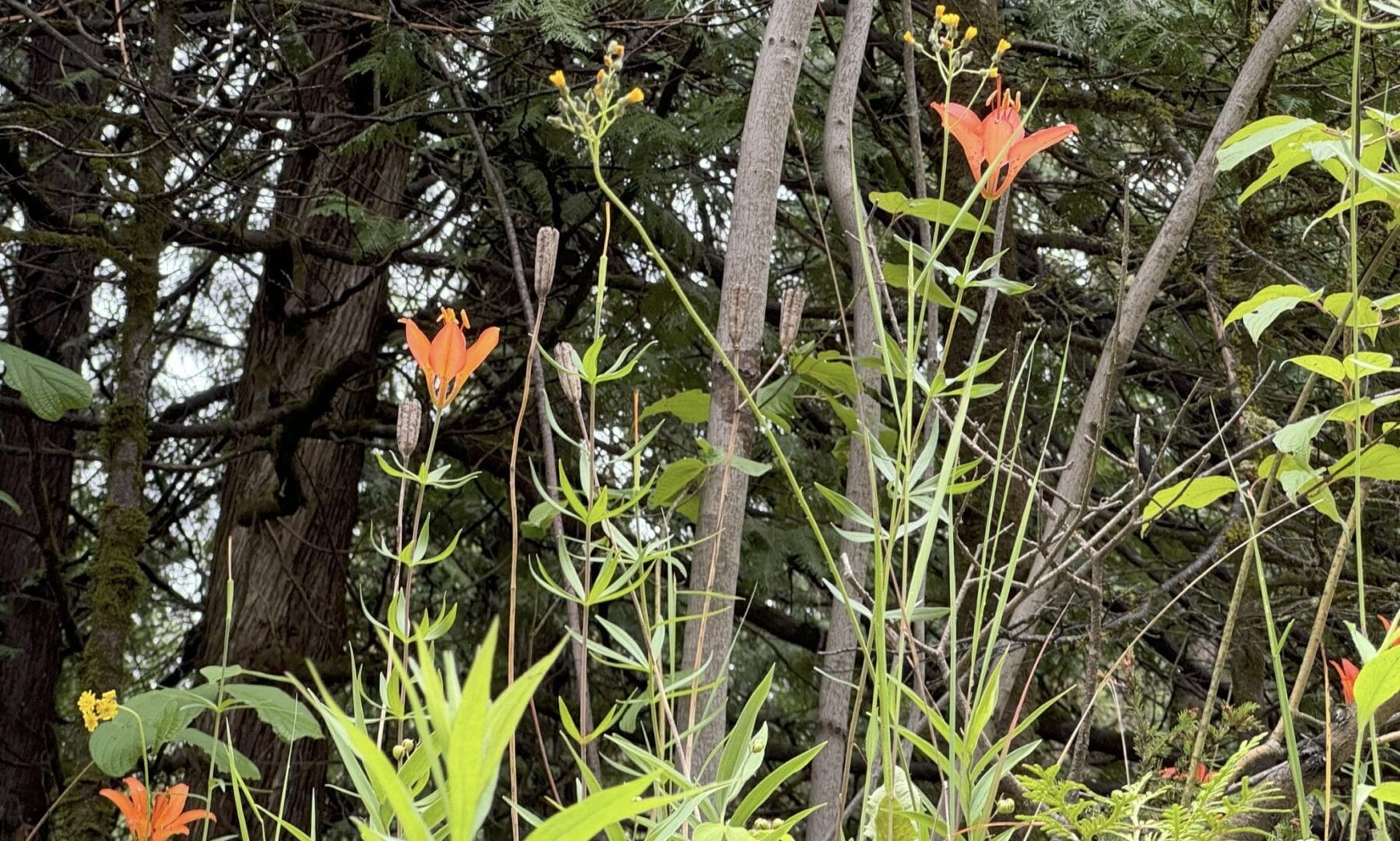
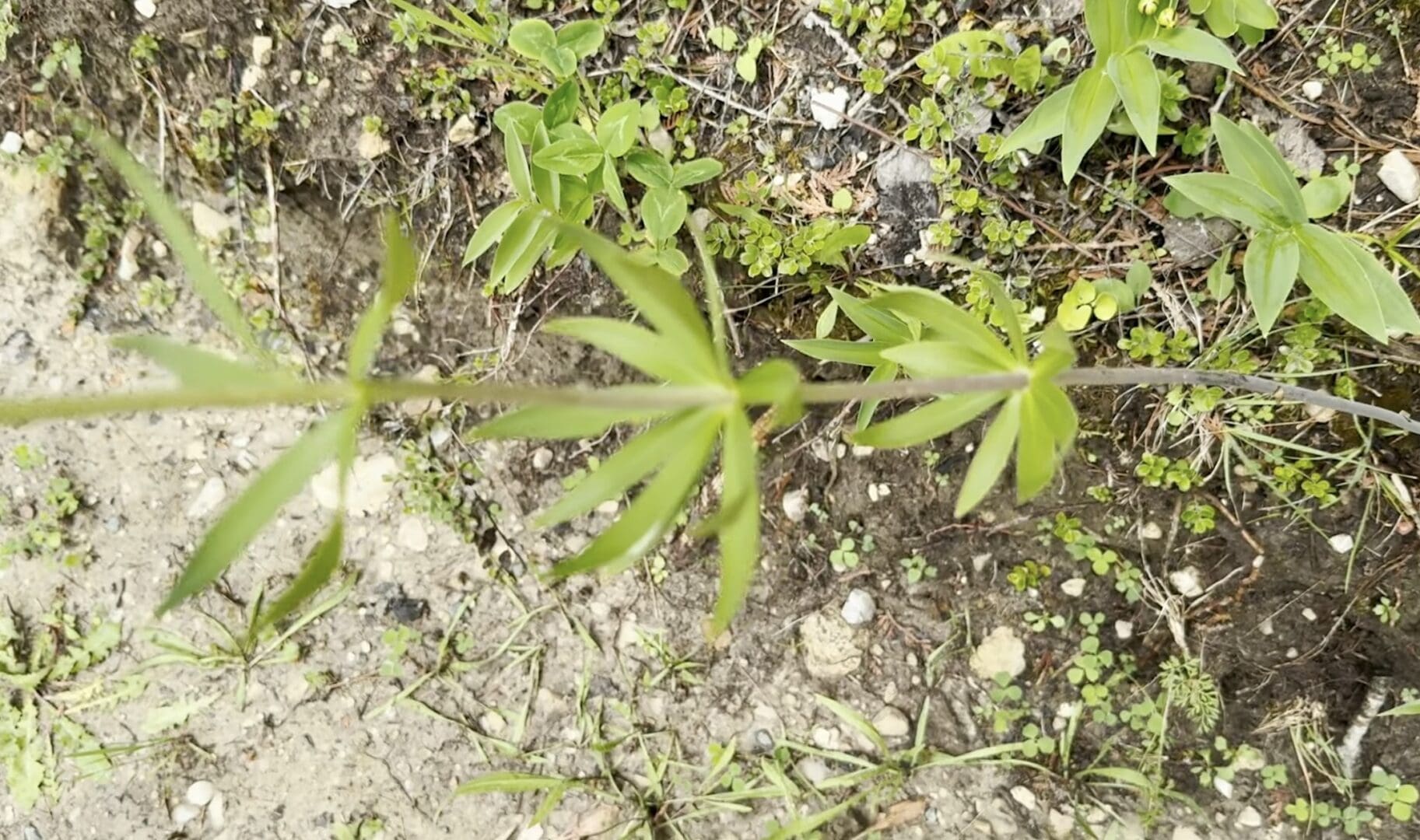
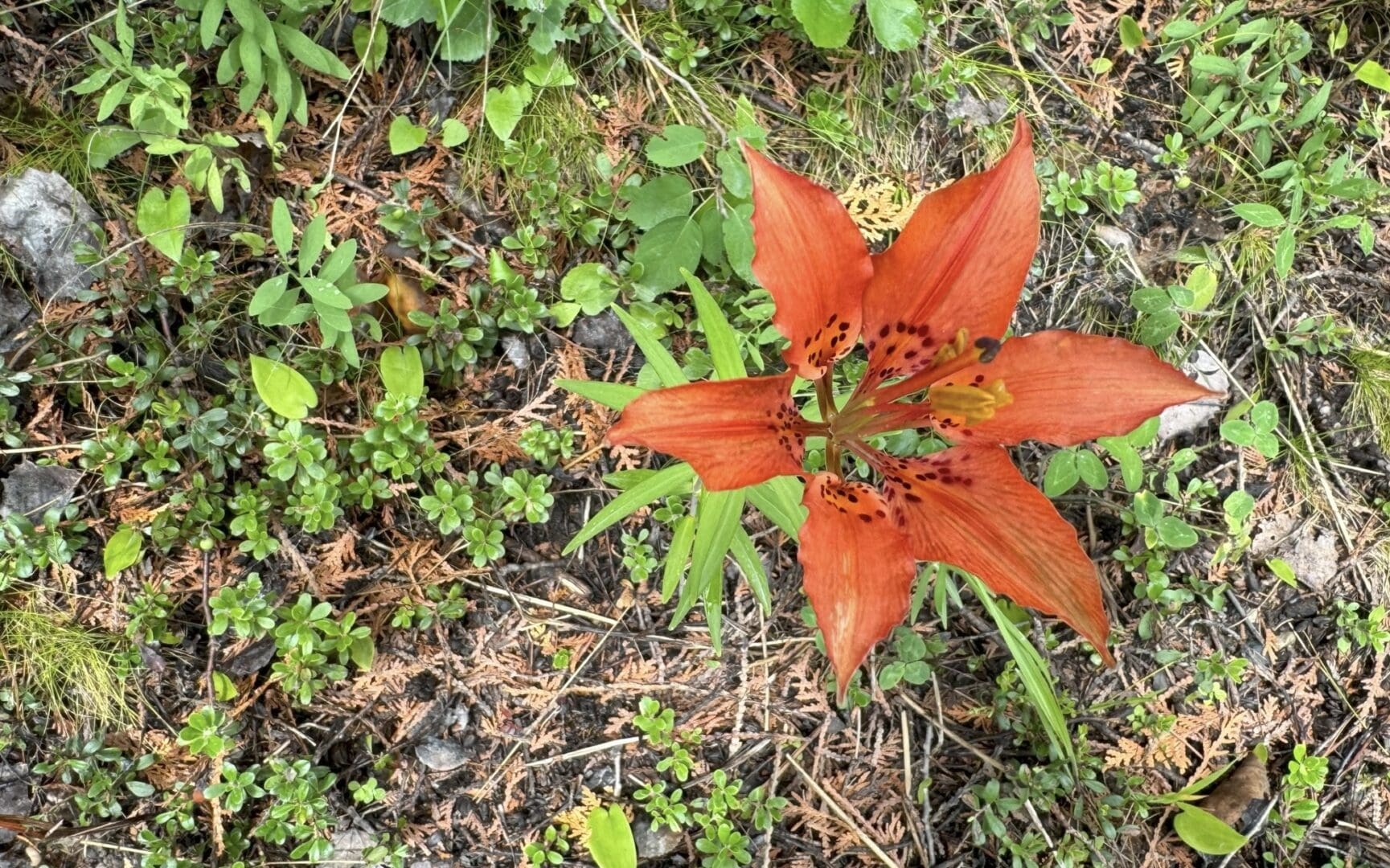
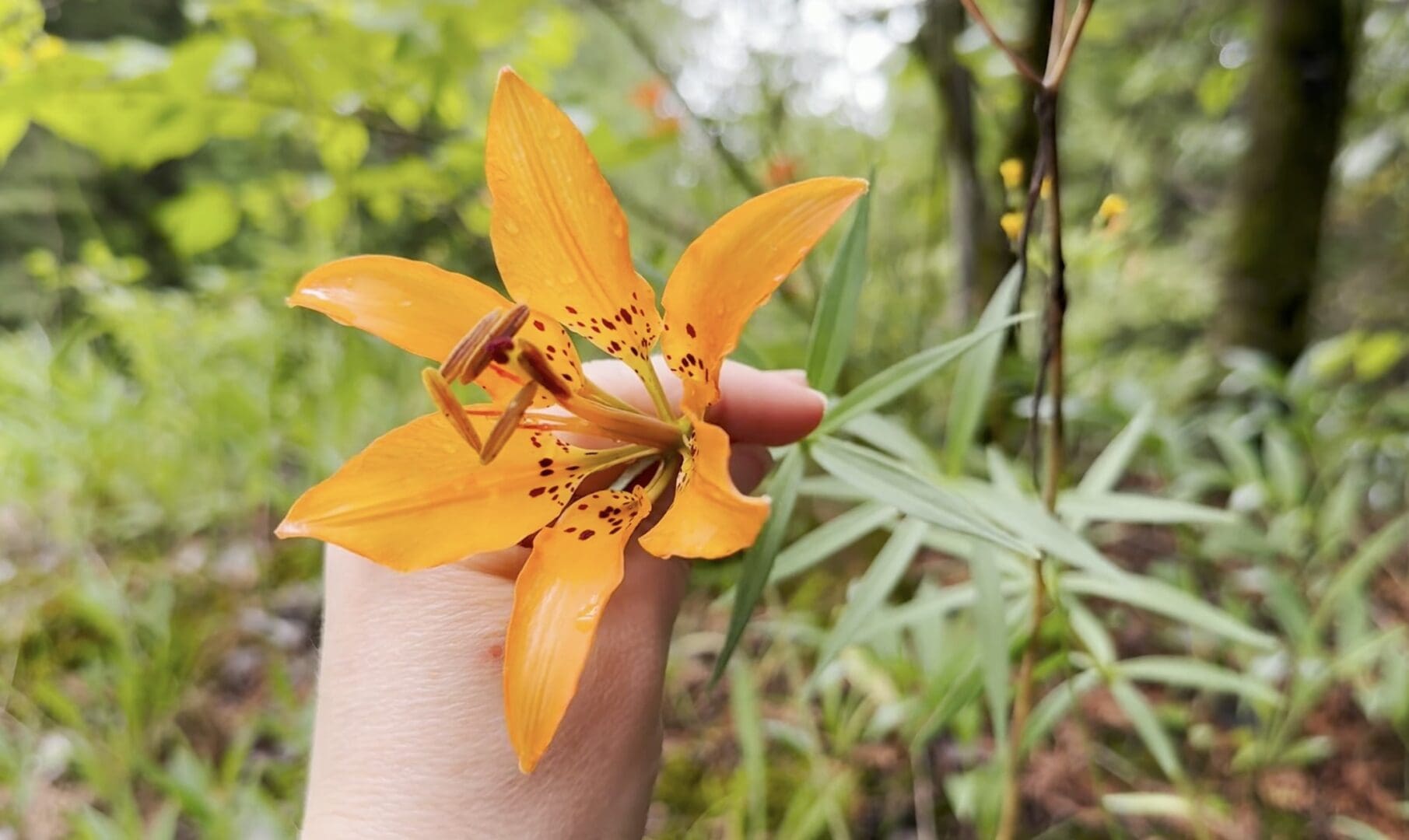
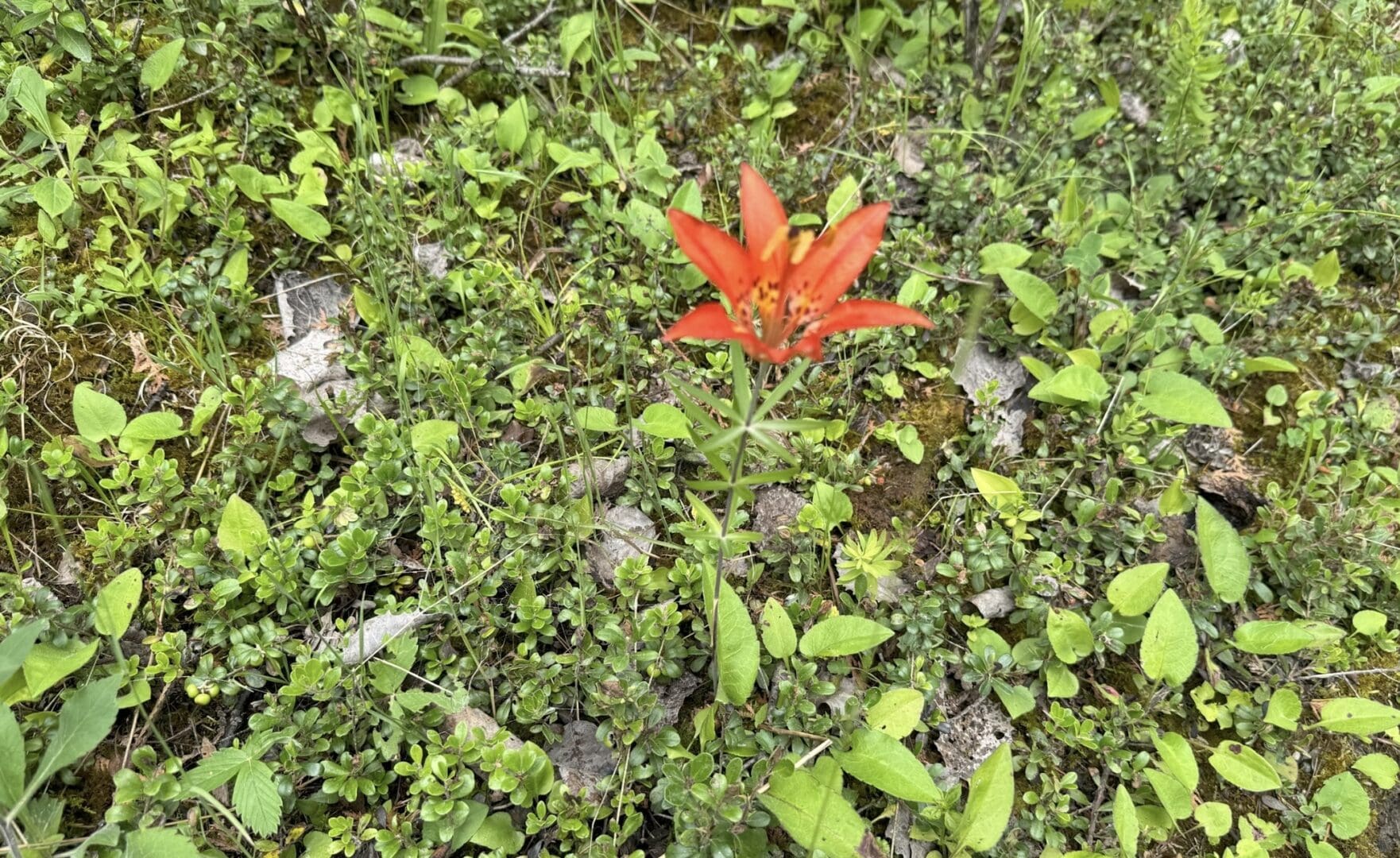
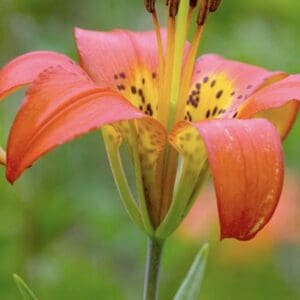
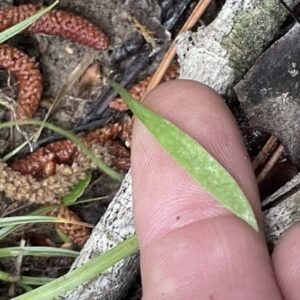
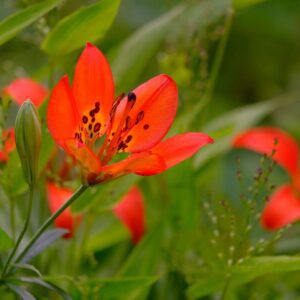
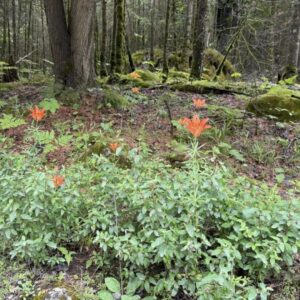
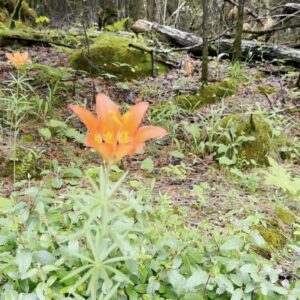
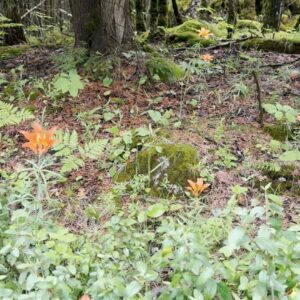
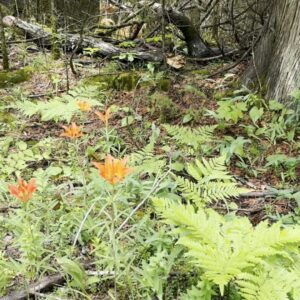
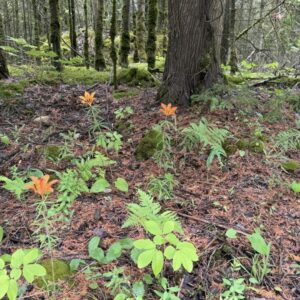
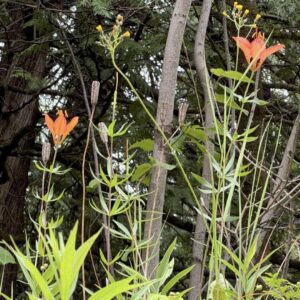
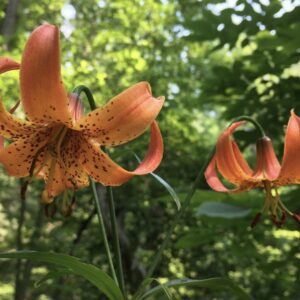
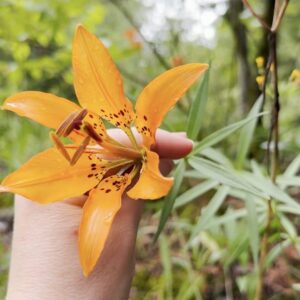
These funnel shaped fiery-orangered blooms appear at the threshold of the summer season. They grow in full and semi shaded areas I have noticed that if they are in a shaded area I see more red fire colour in the tepals. I have also noticed that in all locations that I have found these, it is damp grasses that I am walking in and my shoes show the damp wet squeakiness while walking. There is scattered foliage on the stems and are not very tall, though the photos may suggest differently. It’s hard as I am not a professional photographer.
Growing is not at all difficult to achieve in a native bed in your own back yard. The key is to have excellent drainage with sand and rock as well as compost mixed into the space you’re providing. They do not want to be sitting in water and they do very well at a woodland edge or open areas. I have mine in raised beds and they do very well with the winter survival here in Minnesota.
2-3 feet tall at best —- a lovely native that will become vigorous with each season. ( I allow some seeds to develop for exchanges and some to fall at the base in the woodlands and in the home gardens beds.
What I have to offer is two year old seedlings. Remember, when they bloom, one needs to hand pollinate for fertile seed development. I do this every other season, where there are seasons I do not allow my wood-lily to set seed.
Reviews
There are no reviews yet.